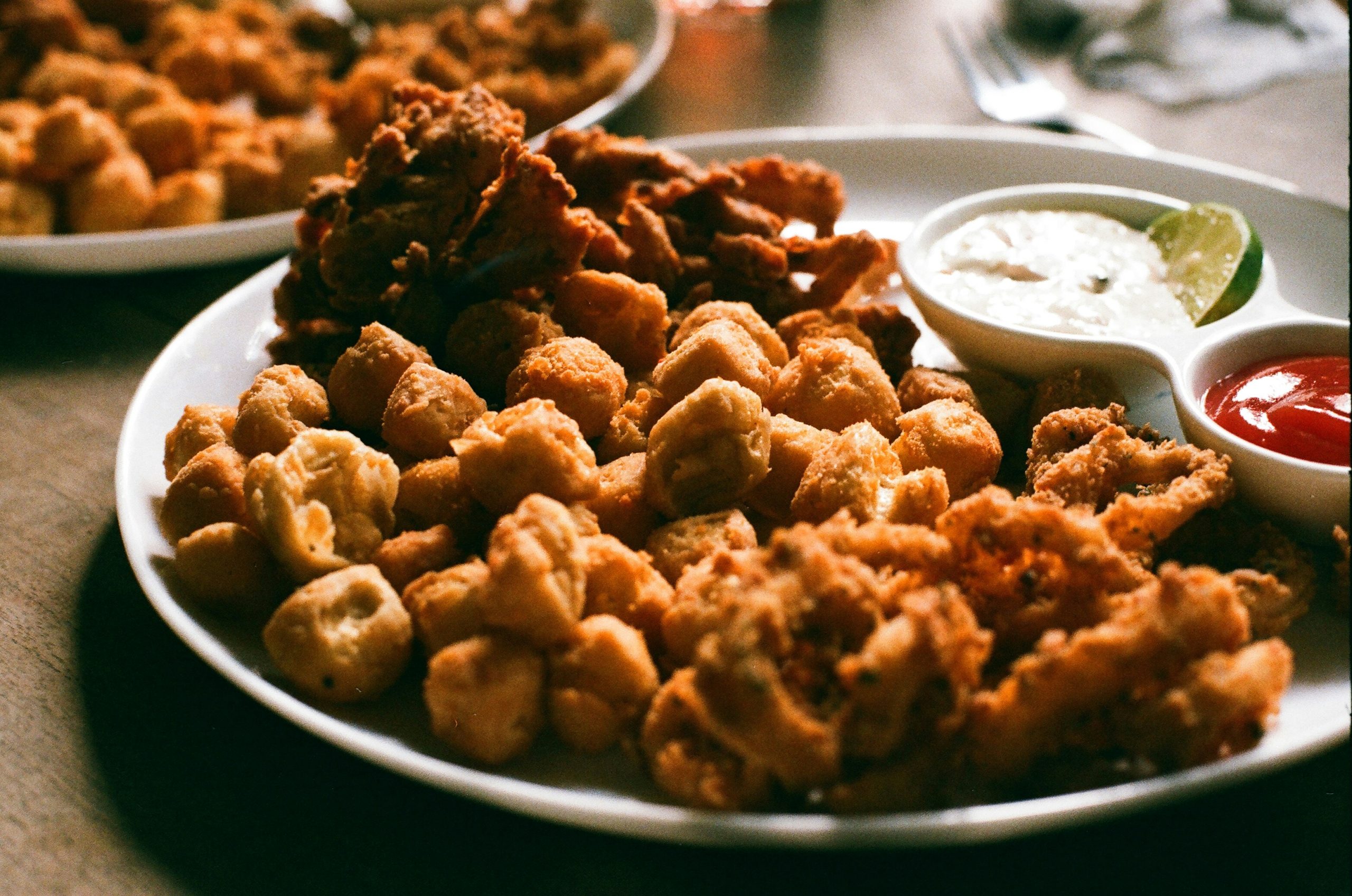
Five Singaporean Dishes That Belong on the Table During a Big Sports Match
Watching a major sporting event is rarely just about the action on the screen. In Singapore, football nights, international tournaments and high-profile motorsport races can bring friends together over a shared meal, with conversations moving between team tactics, recent results and the next plate of food. The combination feels natural in a city where dining is closely connected to social life and where local cuisine reflects generations of cultural exchange.
Food also shapes the way people organise a match-day gathering. Some prefer a quick snack that can be eaten between plays, while others turn a live broadcast into a full evening meal. Fans who follow competitions through television or digital platforms may also check fixtures, scores and promotional information before settling in. For example, a clearly structured page such as the 1xbet promo code singapore page illustrates how promotional information can be presented within an online sports environment, where straightforward navigation matters when users are switching between different activities. The food, however, remains central to the social side of watching sport.
Read more: Five Singaporean Dishes That Belong on the Table During a Big Sports MatchSingapore’s culinary landscape offers plenty of options for a match-day spread. Hawker centres, neighbourhood eateries and home kitchens provide dishes with contrasting textures, flavours and serving styles. Some are ideal for sharing, others work well as substantial meals, and several have become familiar favourites across the country’s diverse communities.
1. Satay: Skewers Made for Sharing
Satay is a natural choice for a gathering built around a live sporting event. These grilled meat skewers are typically marinated with ingredients such as turmeric, coriander, lemongrass and other spices before being cooked over charcoal. Chicken and beef are common options, while regional variations may feature different meats and marinades.
The appeal lies partly in the preparation. Cooking over charcoal creates a lightly smoky exterior, while the marinade adds depth without overwhelming the meat. A serving of satay commonly arrives with a rich peanut sauce, cucumber, onions and compressed rice cakes known as ketupat. Together, these accompaniments balance the savoury skewers with freshness, sweetness and a softer texture.
Satay works particularly well when several people are watching the same match because the portions are easy to distribute. Rather than interrupting the broadcast to serve individual plates, a host can arrange skewers on a shared platter and allow everyone to take a few at a time.
For a home gathering, a practical satay spread can include:
- Chicken and beef skewers to provide different flavour profiles.
- Peanut sauce served separately so guests can control the amount.
- Cucumber and onion slices to refresh the palate.
- Ketupat or another rice-based side for a more substantial meal.
There is also a useful hosting advantage: much of the preparation can happen before the match begins. The skewers can be marinated in advance, leaving only the grilling and final assembly for the last stage. Hosts serving guests with different dietary preferences should label the varieties clearly and keep sauces and utensils separate where necessary.
2. Chicken Rice: A Reliable Choice for a Full Match
Hainanese chicken rice is one of Singapore’s best-known dishes, and its appeal extends beyond quick lunches. It combines poached or roasted chicken with rice cooked in chicken stock, garlic and ginger. The dish is usually accompanied by chilli sauce, dark soy sauce and ginger paste, with cucumber slices adding a fresh element.
Its reputation rests on balance rather than elaborate presentation. The chicken should remain tender, while the rice carries much of the aroma and savoury character. The accompanying sauces allow diners to adjust the heat and intensity of each mouthful.
Chicken rice is particularly suitable for gatherings that coincide with long fixtures, such as football matches with pre-game coverage, half-time analysis and post-match discussion. Unlike a plate of small snacks, it provides a complete meal that can be served before the broadcast reaches its most intense moments.
For a match-day menu, several details make a difference:
- Slice the chicken into manageable portions to make serving easier.
- Keep chilli sauce on the side for guests with different spice tolerances.
- Serve rice in individual bowls to reduce congestion around the food.
- Prepare extra cucumber or a light vegetable side for contrast.
The dish also offers flexibility. A host can order takeaway portions from a neighbourhood restaurant or prepare the components at home. Either approach keeps the menu familiar and filling without requiring an elaborate spread.
Chicken rice may not be the easiest food to eat directly from the sofa, particularly when sauces are involved. Serving it at a table before the match starts is often the simplest solution, allowing guests to finish their meal before attention returns to the screen.
3. Curry Puffs: Compact Snacks for Every Key Moment
Curry puffs are a practical option when a gathering calls for something smaller than a full meal. These pastry snacks usually contain curried potato, often accompanied by chicken, egg or other fillings. The pastry can be flaky or crisp, depending on the recipe and preparation method.
Their format makes them particularly convenient during fast-moving sporting events. A guest can take one between overs in cricket, during a break in football coverage or while waiting for a race to restart. Unlike dishes that require chopsticks, cutlery or a bowl of sauce, curry puffs can be served individually with minimal preparation.
The filling provides the main flavour. Curry spices give the potato a warm, savoury character, while meat or egg can add texture and substance. The pastry creates a contrast between the crisp outer layer and the softer interior. Freshly prepared versions are especially appealing, although takeaway varieties can also work well when reheated according to the seller’s instructions.
A few serving decisions can make curry puffs more suitable for a group:
- Choose a mixture of fillings if the supplier offers several varieties.
- Cut a sample puff in half so guests can identify the filling before taking one.
- Place the snacks on a tray lined with paper to catch crumbs.
- Offer plain water or unsweetened tea alongside richer, spiced fillings.
Temperature is important. Pastry that has been left uncovered for too long can lose its crispness, while very hot fillings may spill when bitten. Allowing the snacks to cool slightly before serving helps avoid these problems.
Curry puffs are also easy to portion. A host can estimate the number needed according to the length of the event and the rest of the menu, reducing food waste without making the table feel sparse. They are best treated as part of a wider selection rather than the only substantial food available during a long evening.
4. Popiah: A Fresh Alternative to Fried Snacks
Popiah offers a different texture for a match-day table. This fresh spring roll is made with a thin wrapper filled with ingredients that commonly include cooked turnip, carrots, bean sprouts, lettuce, tofu, egg and a sweet or savoury sauce. Recipes vary between stalls and households, reflecting personal preferences and local traditions.
Unlike deep-fried spring rolls, fresh popiah has a softer wrapper and a filling built around vegetables and contrasting textures. The turnip is usually cooked until tender, while other ingredients may provide crunch. Garlic, chilli and sauces add depth without requiring the heavier coating associated with fried snacks.
Popiah suits gatherings where guests want variety. A platter can sit alongside satay or curry puffs, offering a less crispy and often less oily alternative. The rolls are generally served ready to eat, which makes them convenient for informal occasions.
When preparing popiah for a group, consider these practical points:
- Cut each roll into smaller pieces if guests will be sharing several dishes.
- Keep wet sauces under control to prevent the wrapper from becoming soggy.
- Serve the rolls soon after assembly for the best texture.
- Check fillings carefully if guests have allergies or avoid particular ingredients.
Popiah can also accommodate different preferences, depending on the recipe. A vegetarian version may be possible, but diners should check whether the filling contains dried shrimp, meat-based ingredients or other animal products. Clear labelling is useful when several varieties appear on the same platter.
Its main strength is variety. A table featuring grilled meat, rice and fried pastry can become heavy over the course of a long match. Popiah introduces softer textures and vegetable-based ingredients, making the overall selection feel more balanced.
5. Chilli Crab: A Centrepiece for a Major Sporting Occasion
Chilli crab occupies a different place in a match-day menu. Rather than a quick snack, it is a substantial seafood dish that can turn an important fixture into a more formal gathering. Singapore-style chilli crab typically combines crab with a thick, sweet, savoury and mildly spicy sauce, often enriched with egg to create a fuller texture.
Despite its name, the sauce is not necessarily overwhelmingly hot. Sweetness, aromatics and a gentle chilli kick work together, although individual recipes can differ considerably. The crab provides the main flavour, while the sauce is often served with fried or steamed buns that can be used to soak up the remaining mixture.
This dish is particularly suited to occasions where the meal itself forms part of the event. A championship final, an international football fixture or a major motorsport weekend may provide a reason for friends and relatives to gather around a larger table before the broadcast begins.
Chilli crab requires more attention than the other dishes on this list. Shells need to be handled, sauce can spill, and eating the crab may demand both hands. For that reason, it is better served during a pre-match meal or at a table rather than directly in front of a television.
A well-planned chilli crab meal can include:
- Fresh crab prepared by a restaurant or experienced cook.
- Fried mantou buns for dipping into the sauce.
- Plain rice as an additional accompaniment.
- Napkins, shell bowls and hand wipes placed within easy reach.
Food safety also matters. Seafood should be purchased from a reliable source, cooked thoroughly and served promptly. If the gathering lasts several hours, leftovers should be refrigerated rather than left at room temperature throughout the broadcast.
Chilli crab may demand more effort than curry puffs or popiah, but its rich sauce and communal serving style can make it a memorable centrepiece for a special sporting occasion.
Building the Right Menu for Match Day
The best match-day menu depends on the length of the event, the number of guests and whether the gathering centres on eating or watching the competition. Singapore’s food culture provides options for each situation, from compact curry puffs to a shared seafood feast.
For a shorter football fixture, satay, curry puffs and drinks may be sufficient. A longer evening could benefit from chicken rice served before kick-off, followed by smaller snacks during the broadcast. Popiah introduces a fresh option, while chilli crab suits occasions when the meal deserves as much attention as the match.
A few principles help keep the gathering organised:
- Plan portions: Combine filling dishes with smaller snacks rather than ordering large quantities of every item.
- Consider convenience: Choose food that can be served without repeatedly interrupting the broadcast.
- Offer variety: Include different textures, spice levels and protein options.
- Prepare the table: Set out plates, napkins, serving utensils and drinks before the event begins.
- Respect dietary needs: Check ingredients and keep allergen-sensitive foods separate.
In Singapore, a sporting event can provide the occasion, but food often gives the gathering its character. Satay encourages sharing, chicken rice supplies a complete meal, curry puffs suit quick breaks, popiah adds freshness and chilli crab creates a centrepiece for a special fixture. Together, these dishes show how local favourites can turn an ordinary match into a social occasion built around good food, conversation and a shared interest in sport.