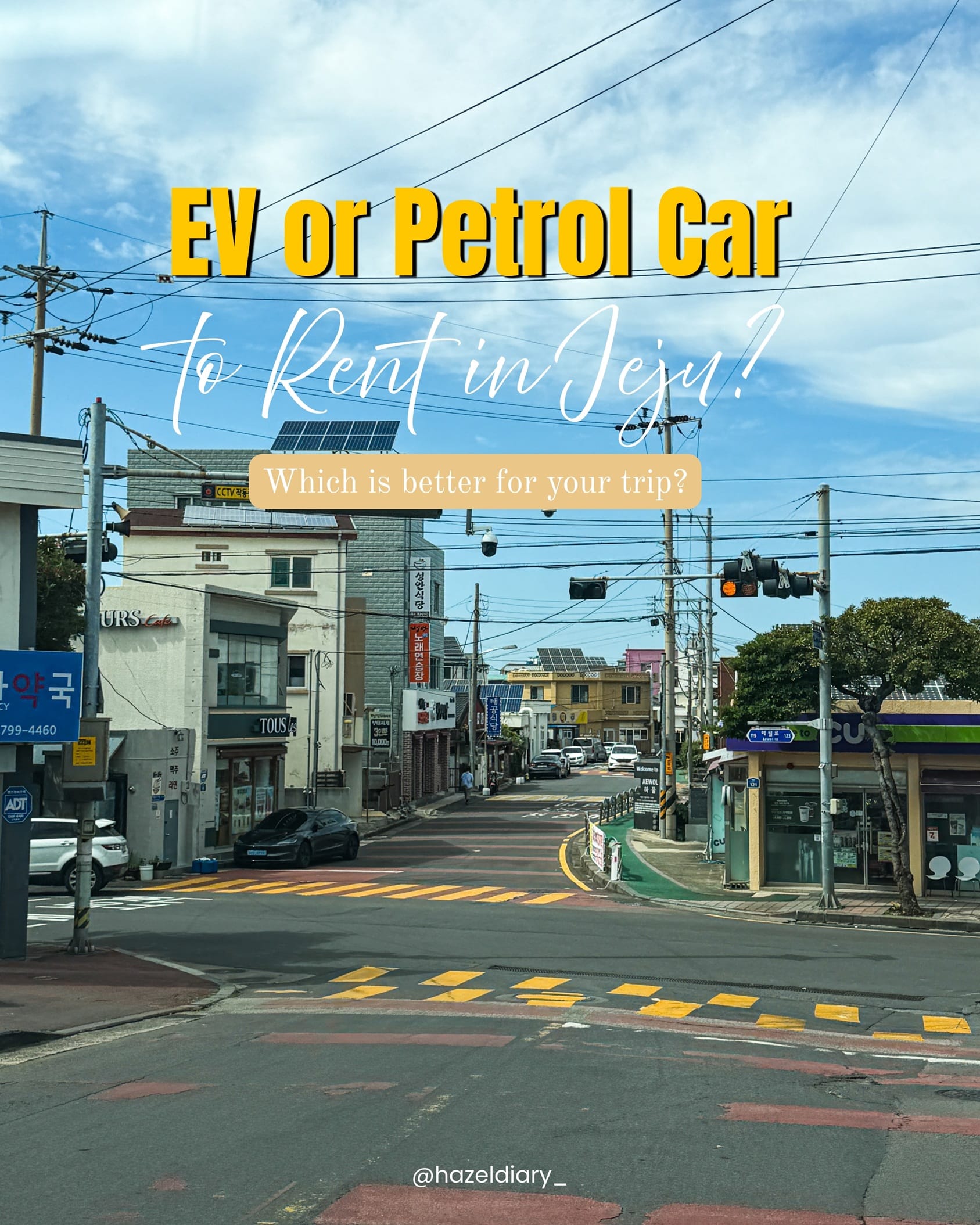
One of the biggest questions I received after my Jeju self-drive trip was whether it’s better to rent an electric vehicle (EV) or a petrol car. Having experienced driving around Jeju myself, I can honestly say that both have their own advantages. It really depends on your travel style.
Jeju is one of the easiest places in South Korea to drive. The roads are wide, traffic is relatively light outside the city areas, and attractions are spread across the island, making a rental car the most convenient way to explore.
Quote ” HAZELOFFKLOOK” to enjoy 5% discount when you book KLOOK activities.
Why Many Travellers Choose an EV
Jeju has one of the highest numbers of EV charging stations in Korea, so finding a charger is generally not difficult. Charging costs are also significantly lower than refuelling a petrol car, making it an attractive option for travellers looking to save on transport costs.
If you’re planning a relaxed itinerary with plenty of café stops or sightseeing breaks, charging the car can easily fit into your schedule. Many hotels, attractions and public car parks also offer charging facilities, so you can top up the battery while exploring nearby.
That said, driving an EV does require a little more planning. It’s worth checking your remaining battery level before heading to more remote parts of the island and familiarising yourself with nearby charging stations.
Why a Petrol Car May Be Easier
For first-time visitors to Jeju, a petrol car remains the simplest and most straightforward option.
Refuelling only takes a few minutes, petrol stations are widely available, and there’s no need to think about charging times. If your itinerary involves covering long distances in a single day or visiting multiple attractions from morning until night, a petrol car offers greater flexibility and convenience.
Although fuel costs are generally higher than charging an EV, some travellers may find the added convenience worthwhile, especially for shorter holidays.
So… Which One Would I Recommend?
If you’re comfortable with a little planning and want to enjoy lower running costs, an EV is a great choice in Jeju. The island is well prepared for electric vehicles, and the charging infrastructure makes the experience surprisingly hassle-free.
However, if this is your first self-drive holiday in Korea or you simply prefer the easiest option, renting a petrol car can offer greater peace of mind.
Personally, after experiencing both options, I would happily rent an EV again for a leisurely Jeju road trip. The charging process was much easier than I expected, and the savings on energy costs were a nice bonus. But if I had a packed itinerary with long driving days and limited time, I’d probably choose a petrol car instead.
At the end of the day, there’s no right or wrong choice. It’s simply about choosing the option that best matches your itinerary, driving confidence and travel style.
If you’re still deciding, I’ve summarised the key differences, charging tips, fuel costs and practical considerations in my Instagram carousel to help make your decision a little easier before your Jeju adventure.
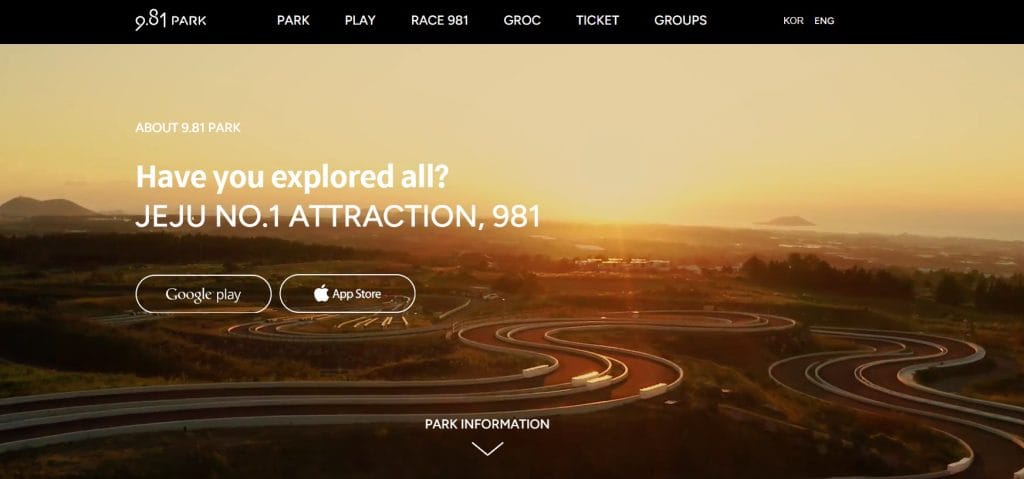
If you’re looking for fun things to do in Jeju besides café hopping and admiring coastal views, 9.81 Park Jeju deserves a spot on your itinerary.
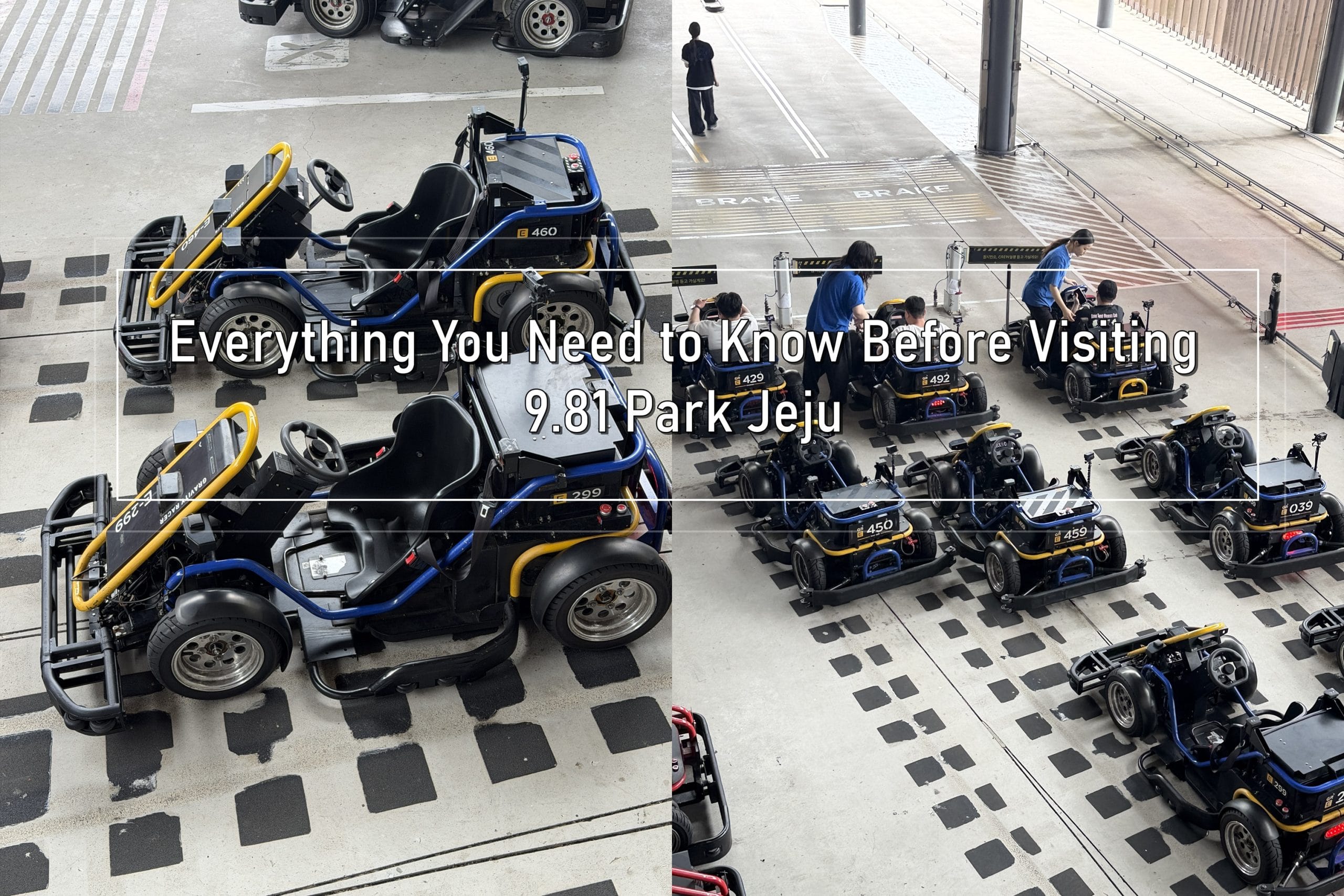
I honestly didn’t expect this attraction to become one of the highlights of our Jeju self-drive trip. I initially thought it would simply be another go-kart experience, but after spending a few hours here, I realized it’s much more than that. Imagine racing downhill powered purely by gravity, competing against your friends, having every ride automatically recorded on an app, and enjoying beautiful views of Jeju all at the same time.
Whether you’re travelling with friends, family or your partner, here’s everything you need to know before visiting 9.81 Park Jeju.
Where is 9.81 Park Jeju?
Located in Aewol, on the northwestern side of Jeju Island, 9.81 Park sits between the beautiful Aewol coastline and Hallasan Mountain. The location makes it an ideal stop if you’re exploring western Jeju.
It pairs perfectly with nearby attractions like:
Aewol Coastal Road
Handam Coastal Walk
Bomnal Café
Café Knotted Jeju
Various seaside cafés overlooking the ocean
If you’re doing a self-drive itinerary, you can easily spend half a day here before continuing towards Aewol for cafés or sunset by the coast.
Through travel platforms like Klook ( There is early bird package price which is slightly cheaper). You can use my quote” HAZELOFFKLOOK” for additional 5% discount.
On-site (subject to availability)
If you’re visiting during weekends, school holidays or peak travel seasons, I’d recommend booking in advance to secure your preferred time slot.
My Experience at 9.81 Park Jeju
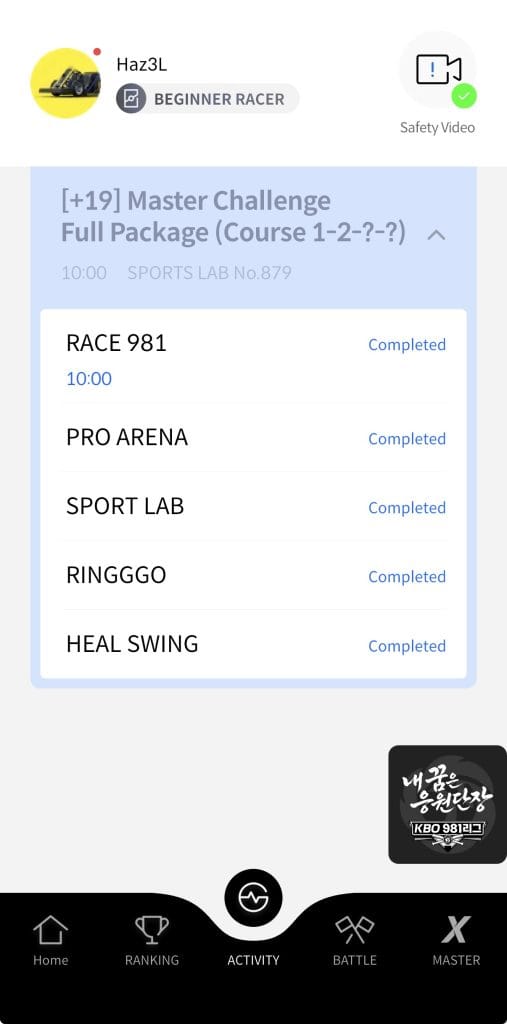
The moment we arrived, we were impressed by how modern the entire park looked. Everything feels digital. From ticketing to race tracking. After checking in, we downloaded the official 9.81 Park App, which automatically synced with our wristbands.
981 Park App from my account
Every race records:
Lap timings
Speed
Rankings
Personal records
Race videos
Yes…you’ll even receive your driving videos after the ride!
Gravity Racing : The Highlight of the Park
After a short briefing, we headed to the starting platform.
The race begins from the top of a hill overlooking Jeju’s beautiful landscape.
Once released…You’re off! The feeling is surprisingly exhilarating.
Since there’s no engine noise, you can actually enjoy the surrounding scenery while focusing on navigating each bend. The downhill route has enough twists and turns to keep things exciting without feeling intimidating.
At the finish point, your kart is automatically transported back uphill while you sit back and enjoy another scenic ride.
It’s honestly one of the coolest transport systems I’ve experienced at any theme park.
Indoor Activities
If you think the park is only about kart racing, think again. There’s an entire indoor activity zone packed with games suitable for all ages.
Some of the activities include:
Ringgo futuristic bumper cars
Interactive sports games
Basketball challenges
Laser tag
Digital gaming experiences
Relaxation lounges
Café and dining spaces
Even if it rains, you’ll still have plenty to do indoors.
Heal Swing 360
One attraction I highly recommend trying is the Heal Swing 360. Unlike a typical giant swing, this one lets you soar high above Jeju’s landscape while taking in panoramic views of the surrounding countryside.
It gives you just enough adrenaline without being overly scary.
If you’re visiting with friends, it’s also a great spot for photos and videos.
Useful Tips Before Visiting
1. Download the Official App
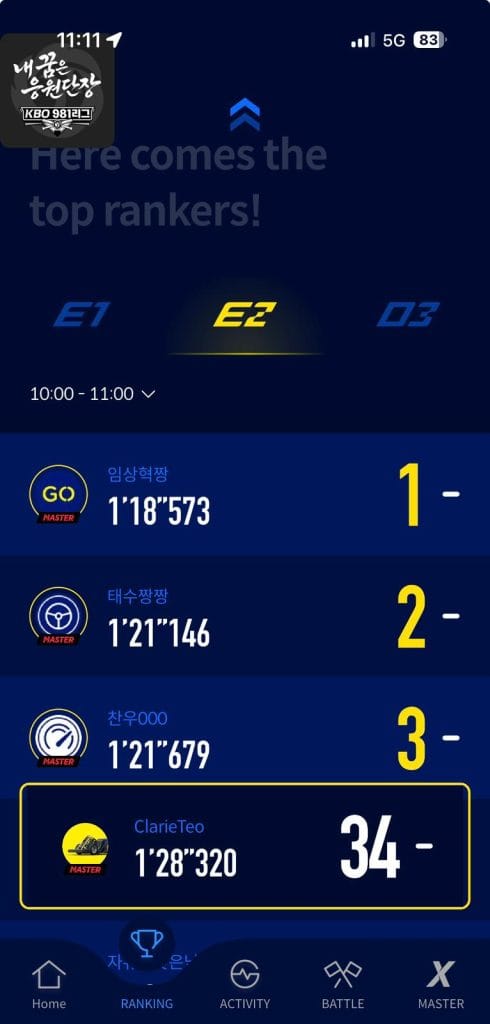
981 App from my account
Do this before your race. The app stores your:
Race timings
Rankings
Driving videos
Personal records
It makes the whole experience much more interactive.
2. Wear Comfortable Clothing
You’ll be walking around the park between activities, so sneakers are definitely recommended.
3. Secure Loose Items
Free lockers are available before racing, and you’ll need to store bags and loose belongings before getting into the kart.
4. Visit Earlier in the Day
Queues tend to become longer later in the afternoon.
Morning visits usually give you more flexibility to enjoy multiple rides and indoor attractions.
5. Allow Enough Time
I’d recommend setting aside at least 3–4 hours.
If you’re planning to try multiple races and indoor games, you could easily spend half a day here.
9.81 Park Jeju Information
Address : 880-24 Cheondeok-ro, Aewol-eup, Jeju-si, Jeju-do, South Korea
Opening Hours : Daily. Approximately 9:00 AM – 6:20 PM (subject to seasonal changes)
Best Way to Visit: Self-drive (ample parking available) with no parking fee applicable.
Taipei is one of those cities that keeps drawing travellers back with its vibrant food scene, charming old streets and easy day trips to scenic towns just outside the city. From nostalgic tea houses in the mountains to hip café districts and traditional markets, Taipei offers a mix of culture, history and modern lifestyle.
If you are planning a 5D4N Taipei itinerary, here is a suggested route that combines neighbourhood exploration with day trips to Jiufen, Shifen, Keelung and Shenkeng.
Day 1: Arrival In Taipei & Explore Zhongshan District
Start your Taipei adventure in Zhongshan District, one of the city’s most stylish neighbourhoods filled with cafés, boutiques and creative spaces.
The highlight here is Chifeng Street, a charming alley that has transformed from an old mechanical workshop area into a trendy café district. Today, it is filled with minimalist coffee shops, dessert cafés and independent boutiques. It is a great place to ease into Taipei’s relaxed lifestyle while enjoying the local café culture.
In the evening, head to Ximending, Taipei’s most energetic shopping and entertainment district. Often compared to Tokyo’s Shibuya or Harajuku, this pedestrian-friendly area is packed with street food, shopping and nightlife.
As night falls, the district lights up with neon signs, street performers and food stalls.
Things to do
Watch street performers
Shop for fashion and souvenirs
Visit the historic Red House Theatre
What to eat
Tian Tian Li (天天利美食坊) – braised pork rice
Ah Chung Mian Xian (阿宗麵線) – vermicelli soup
Crispy Donut (脆皮甜甜圈) – addictive street snack
Xin Fu Tang (幸福堂) – brown sugar bubble milk
Ruyi Sunny Cake (如邑堂) – free pastry tasting
Day 2: Explore Dihua Street & Dadaocheng
Spend the second day exploring Dihua Street, one of Taipei’s oldest and most historic streets located in the Dadaocheng district. Once a major trading hub during the Qing Dynasty, this area is now known for its preserved heritage shophouses selling tea, dried goods, traditional snacks and Chinese medicine herbs. Many of the buildings have also been restored into beautiful tea houses and cultural stores.
After exploring Dihua Street, you can take a short walk to Dadaocheng Wharf for a relaxing evening by the riverside. Once an important trading port during Taipei’s early development, the area has transformed into a scenic waterfront spot where locals gather to unwind.
As the sun begins to set, the wharf offers a peaceful atmosphere with views of the Tamsui River, making it a lovely place to slow down after a day of exploring the historic streets of Dadaocheng. Visitors can stroll along the cycling paths, enjoy street snacks from nearby stalls or simply sit by the river and watch the sunset. With the city skyline gradually lighting up and the river breeze setting in, Dadaocheng Wharf is a great place to chill and relax before heading back for dinner or continuing your evening in Taipei.
Things to do
Visit traditional Taiwanese tea houses
Shop for souvenirs and Taiwanese snacks
Explore historic shophouses
Food & café spots
ASW Tea House – modern tea bar with Taiwanese teas
Jia Jia Peanut Candy – traditional peanut candy shop
Summer Tree Sweet – famous pineapple cakes
Transport tip
Take the MRT Green Line to Beimen Station, then walk about 10 minutes.
Day 3: Jiufen & Shifen Day Trip
Take a scenic day trip to Jiufen and Shifen, two of the most popular destinations outside Taipei.
Jiufen is a charming mountain village famous for its lantern-lined streets, nostalgic tea houses and panoramic views of the sea. Walking through the narrow alleys feels like stepping into a different era.
After Jiufen, head to Shifen, where visitors release sky lanterns along the railway tracks. A tradition believed to carry wishes into the sky.
Highlights
Jiufen Old Street snacks
Traditional tea houses with mountain views
Shifen Sky Lantern experience
Shifen Waterfall nearby
Transport tip: Take a train from Taipei Main Station to Ruifang Station, then bus or taxi to Jiufen.
Head to Shenkeng Old Street, often called Taiwan’s “Tofu Street.” The area is famous for its tofu-based dishes such as braised tofu, grilled tofu and the iconic stinky tofu. The street is lively and filled with traditional snack stalls.
The area is famous for its tofu-based dishes such as braised tofu, grilled tofu and the iconic stinky tofu. The street is lively and filled with traditional snack stalls.
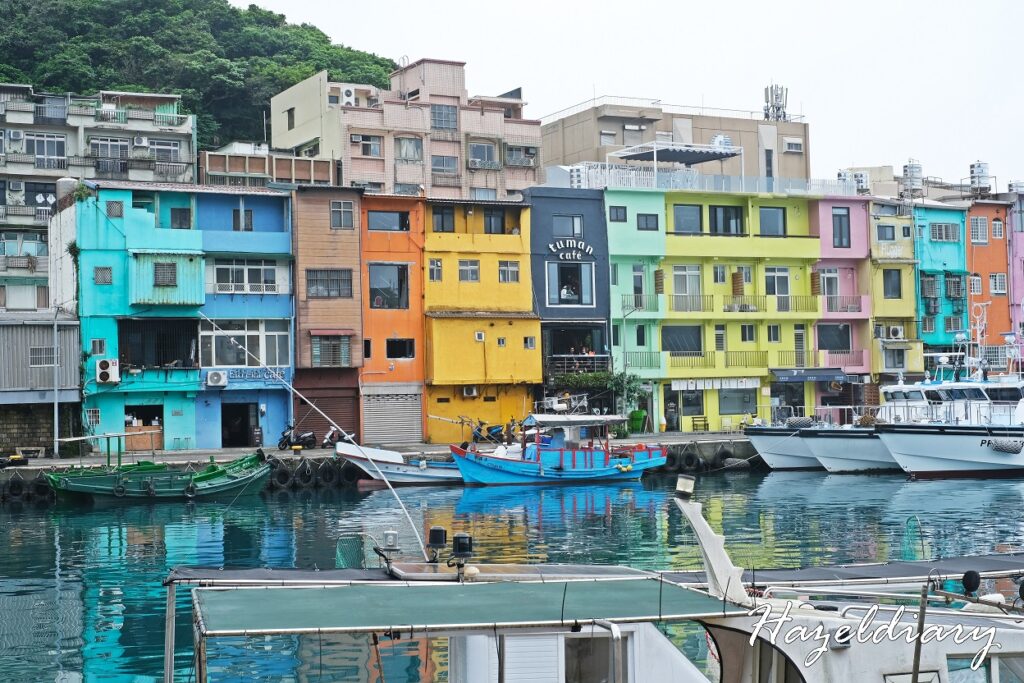
Spend the day exploring Keelung, a charming harbour city about 40 minutes from Taipei. Start at Zhengbin Fishing Harbor, a colourful fisherman village often compared to a mini Santorini, where waterfront cafés and vibrant houses create a picturesque setting for photos and a relaxing coffee break.
Next, head to Heping Island Park, known for its dramatic coastal rock formations and scenic ocean views. Visitors can stroll along the seaside trails, admire the unique geological landscape and enjoy the refreshing sea breeze. You can pre-purchase the Heping Island Park e-ticket to explore the park.
End the day at Keelung Miaokou Night Market, one of Taiwan’s most famous night markets located near the harbour. The market is especially popular for its seafood dishes, with stalls serving local favourites such as crab soup, oyster omelette and Taiwanese tempura. It’s the perfect place to experience Keelung’s lively street food culture before returning to Taipei.
Must-try food
Braised tofu in Shenkeng
Stinky tofu
Crab soup at Keelung Night Market
Oyster omelette
Fried tempura
Transport tip: Take theMRT Brown Line to Taipei Zoo Station, then bus to Shenkeng.
For Keelung, take a train from Taipei Main Station (40 minutes).
Day 5: Brunch & Café Hopping In Da’an
Spend your final morning exploring Da’an District, one of Taipei’s most pleasant neighbourhoods. Known for its tree-lined streets and relaxed vibe, the district is filled with stylish cafés and brunch spots. You can also visit Da’an Forest Park, often called the “Central Park of Taipei,” which offers a peaceful escape from the city.
Café recommendations
Simple Kaffa – world-famous Taiwanese coffee
Coffee Sind – minimalist specialty café
Moonshine Coffee Roasters – great brunch spot
Transport tip: Take the MRT Red Line to Da’an Station.
A 5D4N Taipei trip offers the perfect balance of city exploration and nearby adventures. From café hopping in Zhongshan and Da’an to exploring historic streets like Dihua and scenic towns like Jiufen, Taipei offers an incredibly diverse travel experience.
Whether you are a food lover, café enthusiast or culture explorer, Taipei is a city that always has something new to discover.
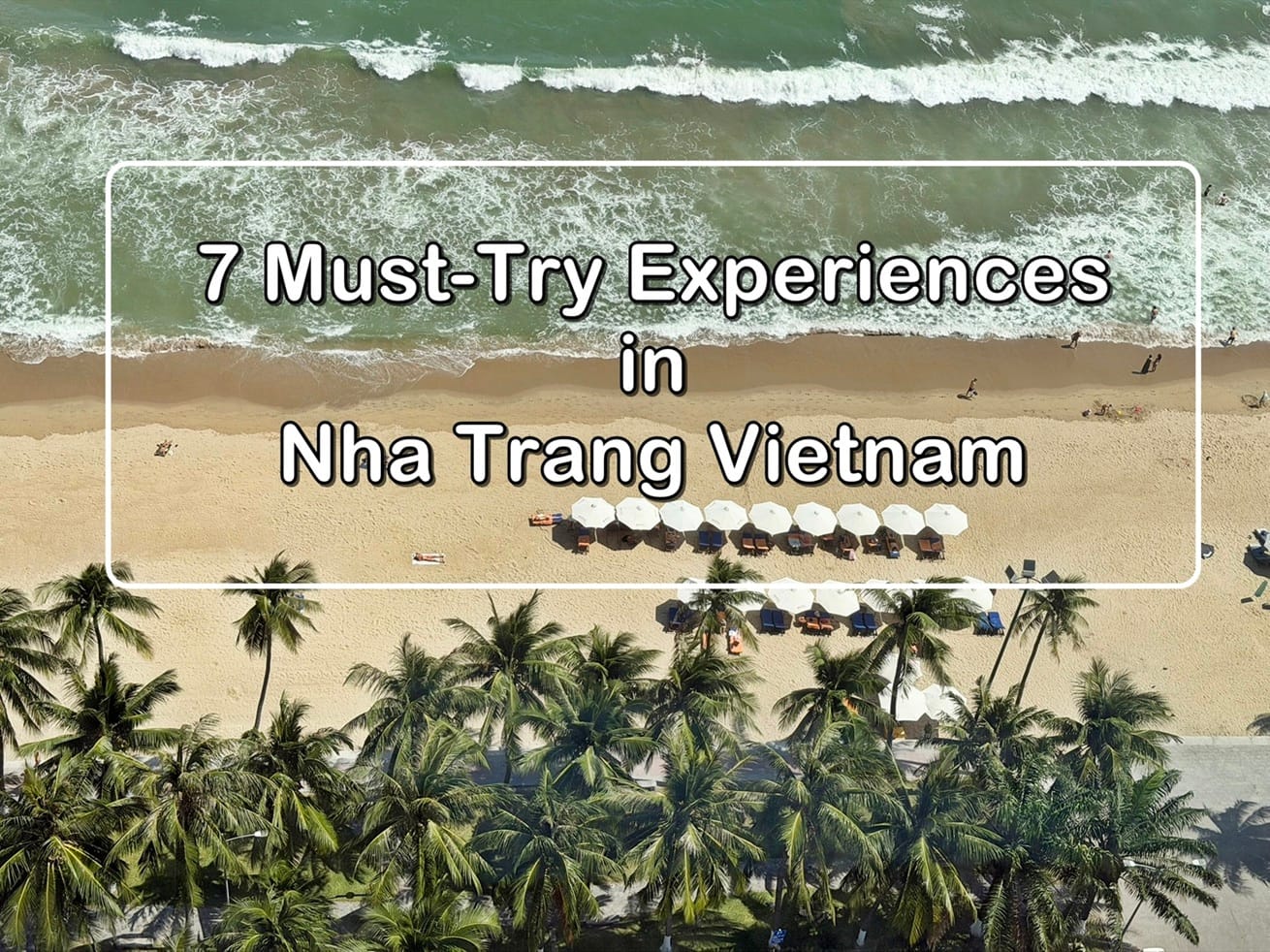
Nha Trang is often known for its beaches and island hopping adventures, but during my recent visit, I discovered that this coastal city offers far more diverse experiences than expected. From white sand dunes that remind you of Australia to ancient Cham temples that resemble Cambodia’s Angkor ruins, Nha Trang surprises travellers with landscapes and attractions that feel like mini versions of destinations around the world.
If you are planning a trip to this coastal city in Vietnam, here are seven unique experiences in Nha Trang that make you feel like you are travelling across different countries in one destination.
Getting there is also easier than ever now. Scoot offers direct flights from Singapore to Nha Trang, taking approximately 2 hours and 15 minutes, making it a convenient tropical getaway for a short holiday.
Quote ” HAZELOFFKLOOK” to enjoy 5% off when you purchaseany activities.
You can also purchase your e-SIM online easily and activate it instantly.
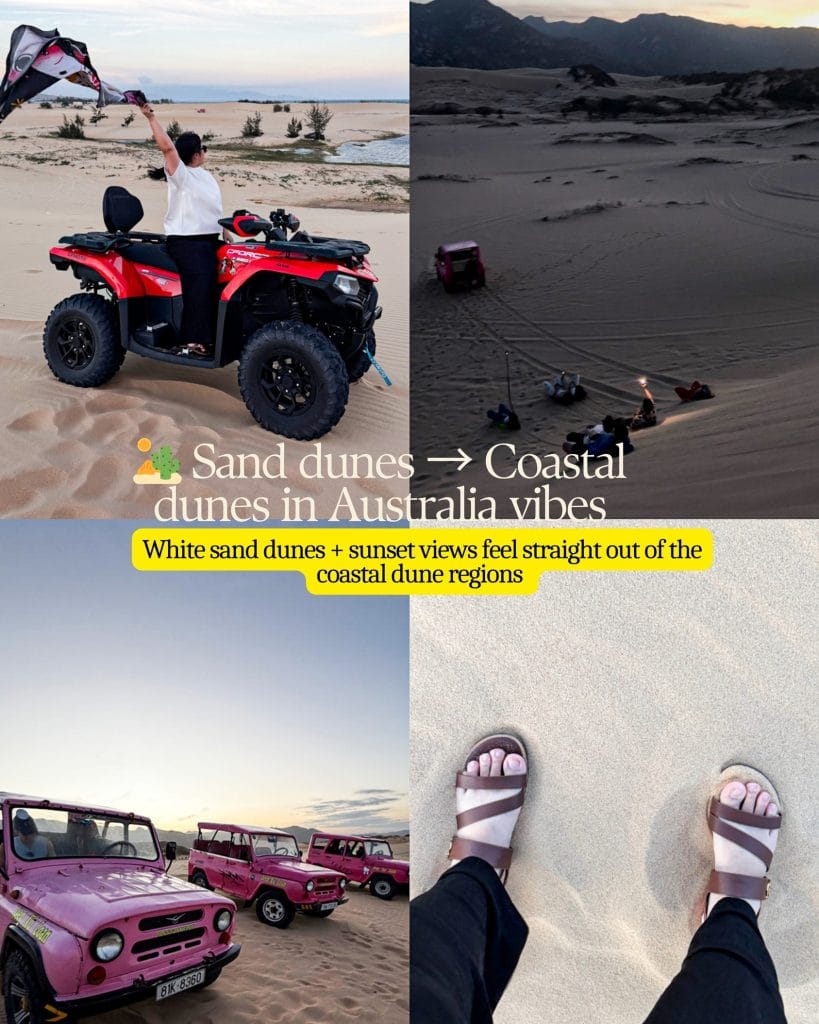
The white sand dunes near Nha Trang instantly reminded me of coastal desert landscapes in Australia. With vast stretches of soft sand and dramatic sunset views, the scenery looks almost surreal.
One of the best ways to explore the dunes is by ATV or jeep ride, where you can ride across the rolling sand hills while enjoying the sea breeze nearby. As the sun sets, the golden glow across the dunes creates an incredibly picturesque view.
It is a fun and adventurous experience, especially if you love scenic landscapes and outdoor activities.
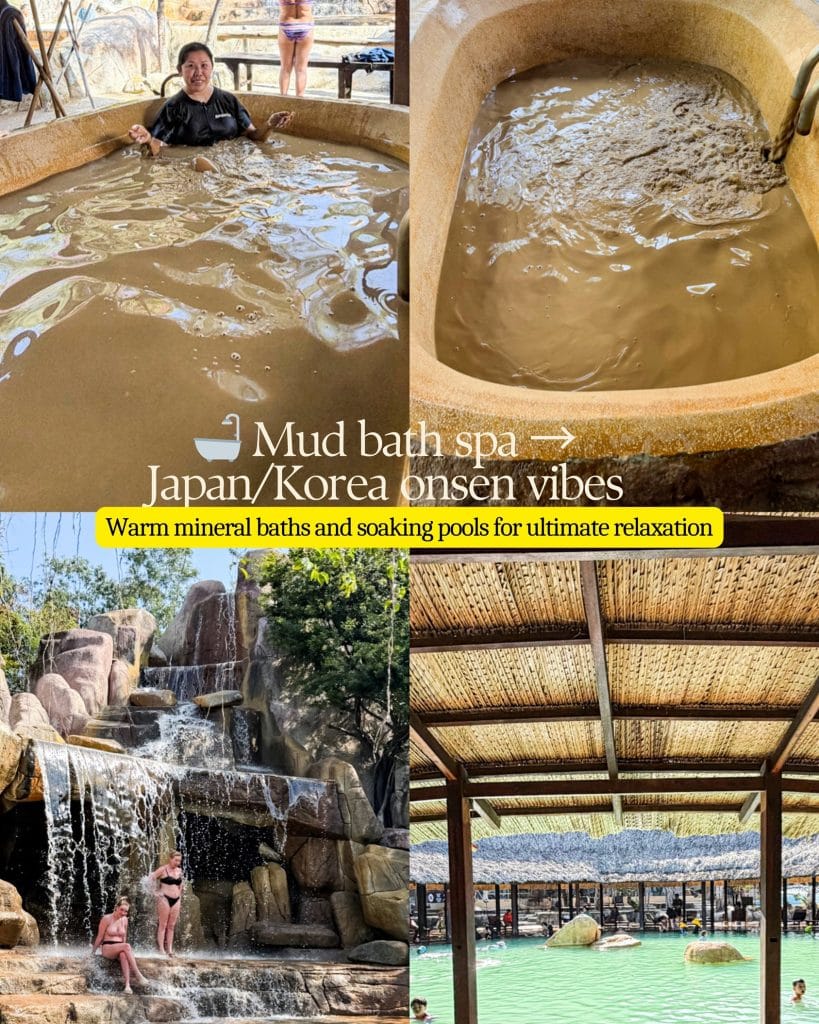
2. Mud Bath Spa With Japan and Korea Onsen Vibes
One of Nha Trang’s most unique and popular experiences is its mineral mud bath spas, known for their therapeutic and skin-nourishing benefits. Visitors can soak in warm mineral-rich mud before rinsing off and relaxing in soothing mineral pools or gentle waterfalls. The experience feels surprisingly similar to visiting an onsen in Japan or Korea, offering a calming and rejuvenating spa escape.
After a long day of sightseeing, spending time in the warm mineral pools is the perfect way to unwind. A visit to I-Resort Nha Trang is highly recommended, where you can enjoy natural mud spas and mineral hot springs surrounded by lush greenery. The resort offers a range of wellness packages, from a 20-minute mineral mud bath to relaxing body massages and herbal mineral soaking treatments, designed to rejuvenate the mind, body, and soul.
The mineral mud here is believed to provide multiple health benefits. From removing dead skin cells and smoothing the skin to relieving aches, strengthening bones, reducing stress, and improving circulation. As soon as you arrive, the calming atmosphere and architecture inspired by traditional Vietnamese villages create a tranquil retreat from the city’s hustle.
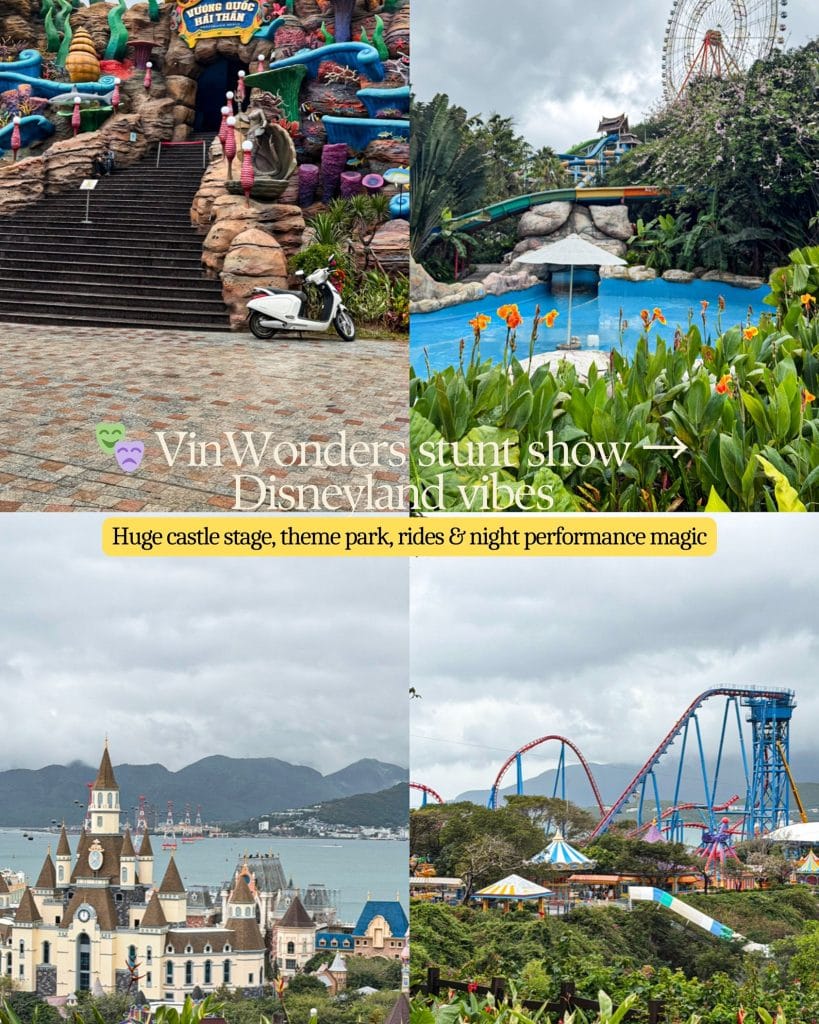
3. VinWonders Theme Park That Feels Like Disneyland
For travellers visiting Nha Trang with family or friends, a trip to VinWonders Nha Trang is a must. Located on Hon Tre Island, the theme park is accessible via a scenic cable car ride across the sea, offering stunning views even before the adventure begins. Often compared to a mini Disneyland-style experience, VinWonders features an impressive mix of thrilling rides, water attractions, entertainment zones and large-scale performances.
The park’s castle-like architecture, roller coasters and vibrant atmosphere create a lively contrast to Nha Trang’s laid-back beach scene. Designed for visitors of all ages, VinWonders is one of the most exciting attractions in the city.
Inside the park, you can explore a variety of themed experiences. One of the highlights is the Tata World River Adventure, a thrilling boat ride that takes visitors through immersive landscapes and imaginative scenes. The whimsical Fairy Land transports guests into a magical world filled with colourful characters and fantasy-inspired settings. As evening falls, the Water Fountain Show lights up the park with a spectacular combination of water, music and dazzling light effects.
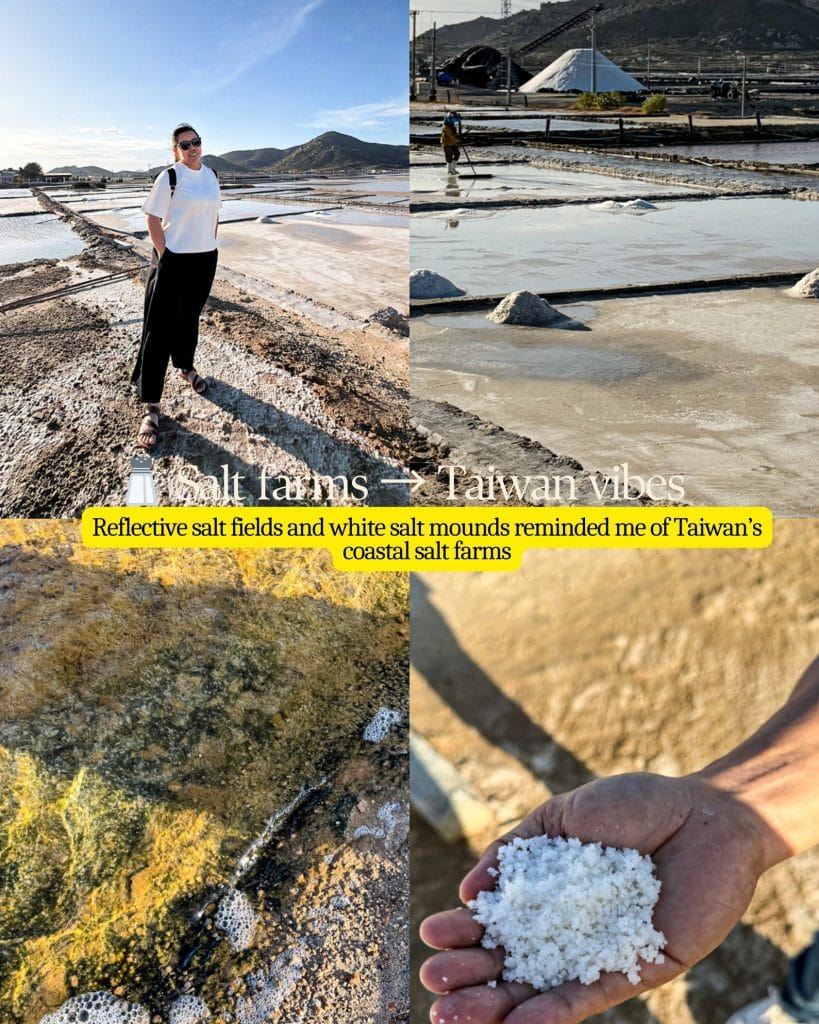
4. Salt Farms That Look Like Taiwan’s Coastal Salt Fields
The coastal salt farms near Nha Trang create a unique landscape filled with reflective salt fields and white salt mounds. Watching workers harvest salt under the sun offers an interesting glimpse into the traditional salt-making process.
The geometric patterns of the salt fields and the shimmering reflections of sunlight on water remind me of Taiwan’s famous coastal salt farms.
It is both scenic and educational, making it a worthwhile stop for travellers who enjoy cultural and photography experiences.
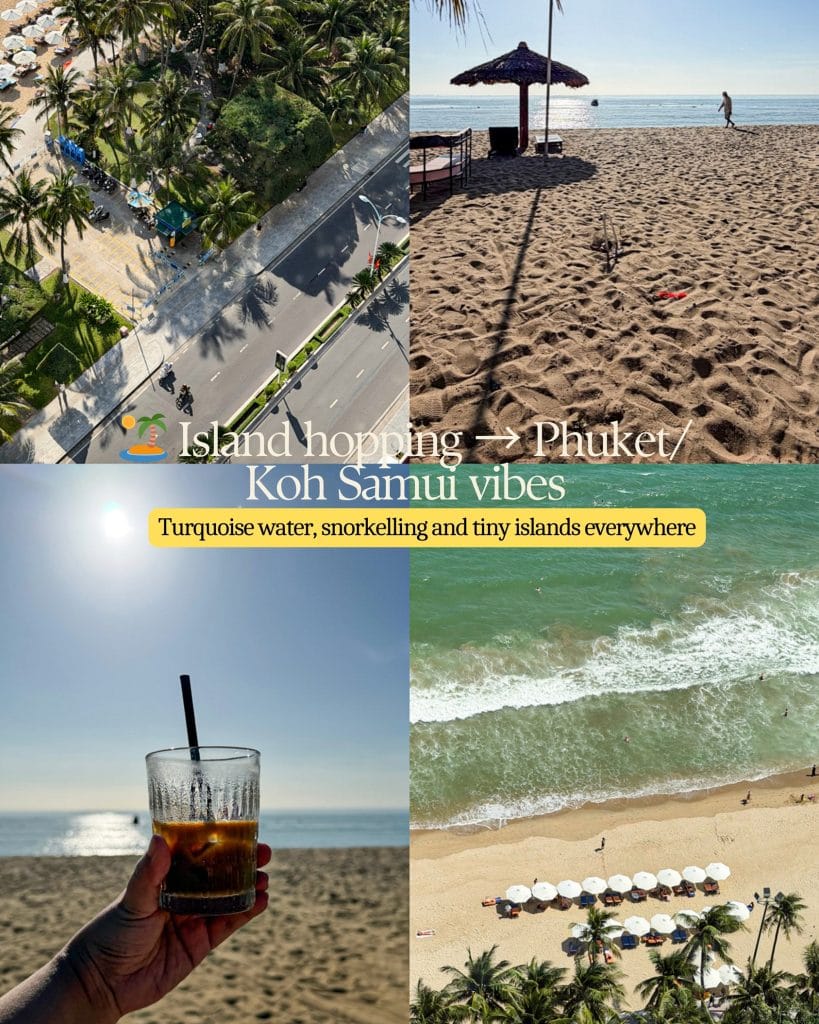
5. Island Hopping That Feels Like Phuket or Koh Samui
No trip to Nha Trang is complete without experiencing its island hopping tours. With turquoise waters, sandy beaches and scattered tiny islands, the scenery resembles the tropical landscapes of Phuket or Koh Samui.
Visitors can enjoy snorkelling, swimming or simply relaxing by the beach with a drink in hand while soaking in the ocean views.
The island hopping tours are one of the best ways to explore the surrounding marine beauty and enjoy Nha Trang’s laid-back coastal vibes.
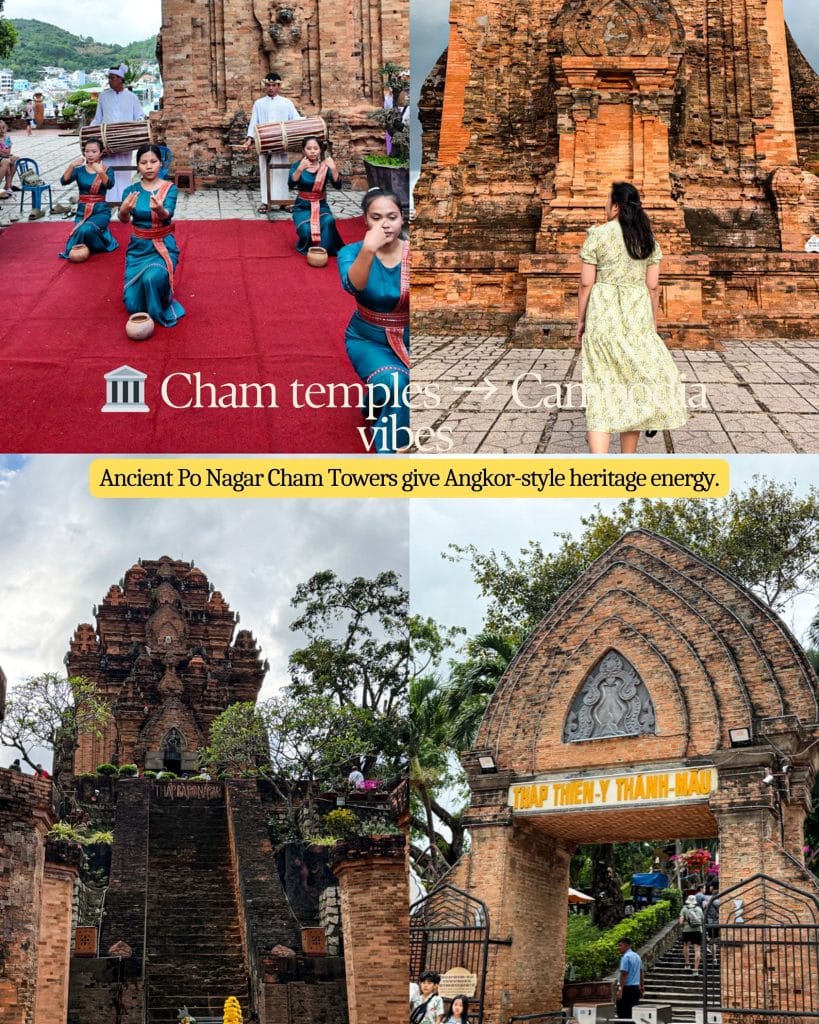
6. Cham Temples With Cambodia’s Angkor-Style Architecture
The Po Nagar Cham Towers are among the most significant historical landmarks in Nha Trang. Built between the 7th and 12th centuries, the temple complex showcases striking brick architecture that is often compared to the famous Angkor temples in Cambodia. Visitors can explore the grounds, admire the intricate carvings and enjoy scenic views overlooking the Cai River. Beyond its architectural beauty, the site also holds deep cultural and spiritual significance for the Cham people, making it an important cultural stop when visiting the city.
For first-time visitors, joining a half-day Nha Trang city tour is one of the easiest ways to explore the city’s key attractions in a short time. With a local guide, you can visit highlights such as Po Nagar Cham Towers, Long Son Pagoda, Nha Trang Cathedral and the bustling local markets, while learning more about the history and culture of the region. The guided tour also removes the hassle of arranging transport, making it a comfortable and convenient way to discover Nha Trang.
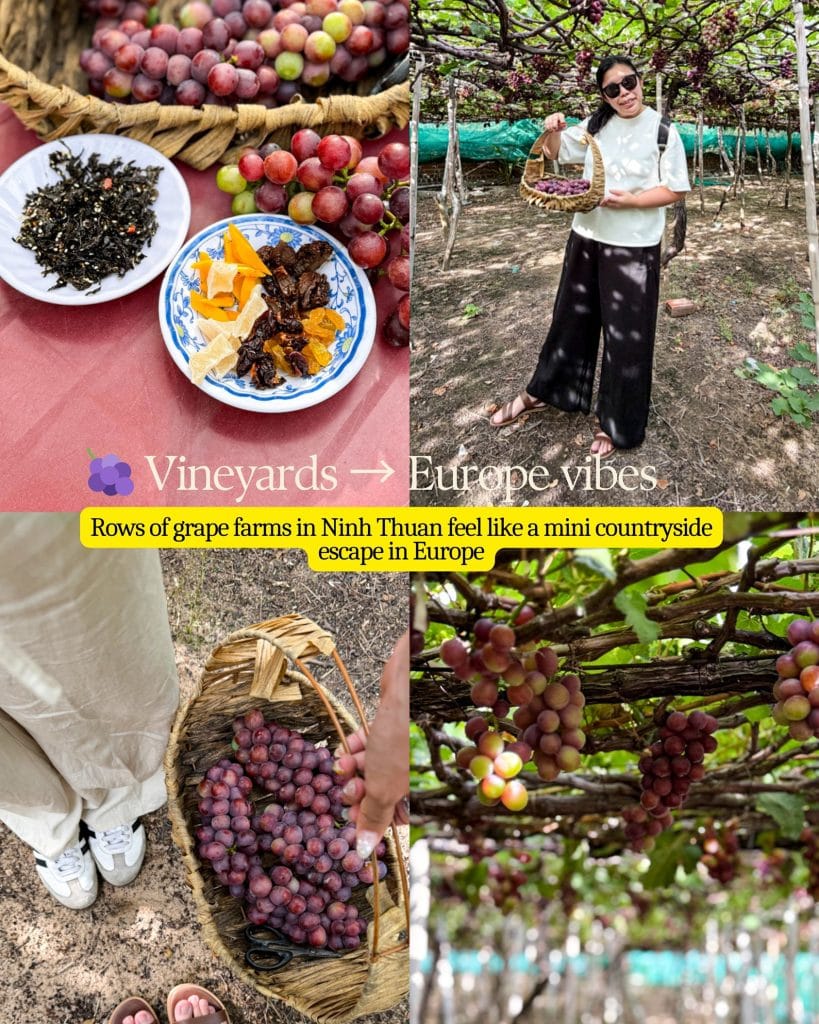
Ninh Thuan’s grape farms are another surprising highlight near Nha Trang. Rows of grape vines stretch across the farms, giving the entire place a charming countryside atmosphere that feels almost like a vineyard in Europe.
Visitors can walk through the vineyards, pick fresh grapes directly from the vines, and even enjoy local grape products such as dried fruits and grape wine.
It is a refreshing break from the beach scenery and offers a glimpse into Vietnam’s lesser-known agricultural side.
Just two hours from the bustling streets of Hanoi lies a place that feels worlds away. Ninh Binh is where time slows, landscapes soften, and nature quietly takes centre stage. Often referred to as “Ha Long Bay on land”, this peaceful province offers a perfect blend of history, culture, and breathtaking scenery. It is ideal for a day escape from the city.
From limestone karsts rising dramatically above emerald rice fields to tranquil boat rides through ancient caves, Ninh Binh reveals Vietnam at its most poetic.
Alternatively, you can just book a suggested day trip tour with pre-purchased tickets via the proposed itineraries below S$50.00 only.
Our journey began at Hoa Lu, the first capital of Vietnam. Tucked amid mountains and rice fields, this former royal city dates to the 10th century. Walking through the temples dedicated to King Dinh and King Le, you can feel the weight of history in the air — weathered stone courtyards, intricate carvings, and a quiet dignity that speaks of Vietnam’s early dynasties.
It’s a gentle reminder that Ninh Binh is not just about landscapes, but also deep-rooted heritage.
Next came the highlight of the day. The Trang An boat ride, a UNESCO World Heritage Site and an experience that feels almost surreal.
Floating along calm emerald waters, we drifted through a series of caves, limestone tunnels, and open valleys framed by towering karsts. The silence is broken only by the sound of oars gliding through water and the occasional echo from within the caves. It’s peaceful, cinematic, and utterly mesmerising. The kind of beauty that doesn’t ask for attention, but quietly stays with you.
For those willing to work a little harder, Mua Cave Viewpoint offers one of the most iconic views in Ninh Binh. The climb up nearly 500 stone steps is no easy feat, especially under the sun but the reward at the top is worth every step.
From above, the sweeping panorama of winding rivers, patchwork rice fields, and dramatic limestone peaks unfolds below. It’s one of those moments where you pause, catch your breath, and simply take it all in.
Best Time to Visit:
Morning hours are ideal — the weather is cooler and the lighting softer for photos.
Avoid noon, as the stairs can get slippery and the heat is intense.
Visit between May and July to catch the rice fields at their most vibrant green or golden yellow.
If time allows, there’s still so much more to see in Ninh Binh:
Tam Coc – Endless rice fields framed by towering cliffs, especially stunning during harvest season
Bai Dinh Temple – Majestic, serene, and one of the largest Buddhist complexes in Southeast Asia
Each spot offers a different rhythm, but all share the same sense of calm that defines this region.
Just a short ride from Hanoi, Ninh Binh is the perfect day trip for those craving nature, culture, and a slower pace .All without venturing too far. Whether you’re gliding through caves, standing atop viewpoints, or wandering ancient capitals, this hidden paradise offers a refreshing contrast to city life.
Sometimes, the most memorable journeys are the ones that feel quietly unforgettable and Ninh Binh is exactly that.
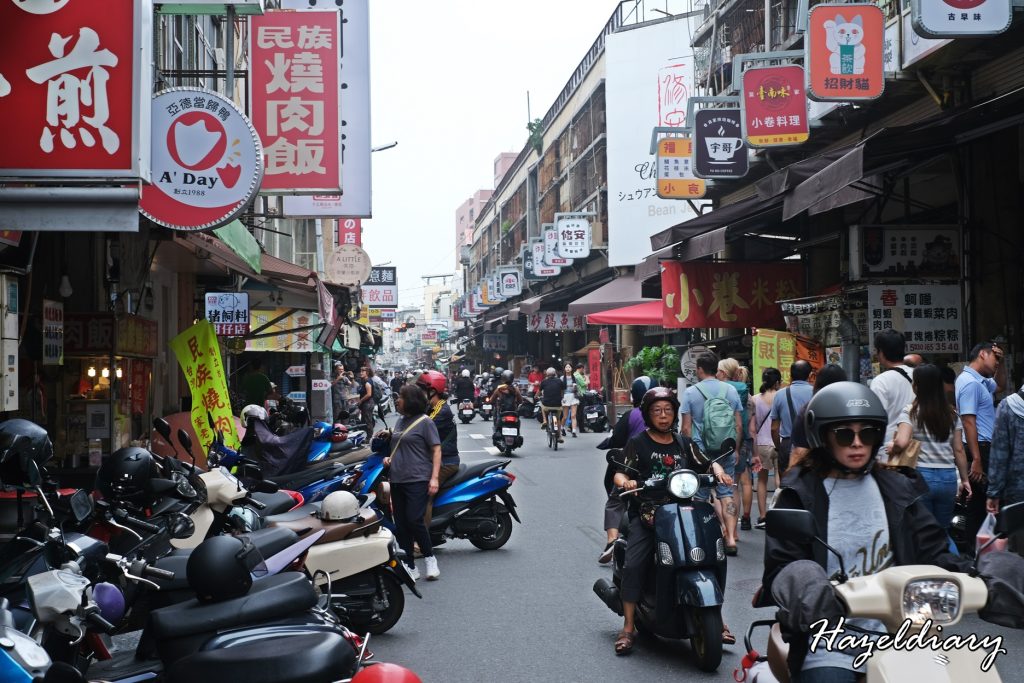
Guohua Street (国华街) is a bustling food street in Tainan offering a taste of the city’s rich culinary heritage. Just a 30-minute walk from Silks Place Tainan, this historic street is lined with local eateries, food stalls, and traditional snacks, making it a must-visit for food lovers.
A mere 1.5-hour ride from Taipei via the High-Speed Rail makes Tainan an easy escape for travelers seeking to explore the past while enjoying the convenience of modern-day amenities.
Here are six must-try eats when exploring Guohua Street:
1. 阿松割包 (Ah Song Gua Bao)
This renowned stall is known for its Taiwanese-style “gua bao” (割包), often called the Taiwanese burger. The pillowy steamed bun is stuffed with braised pork belly or lean pork, then topped with pickled mustard greens, crushed peanuts, and cilantro for a well-balanced flavor profile. Ah Song Gua Bao is a great example of this, offering pork buns that are noticeably sweeter than the ones I tried in Taipei. They come with pickled mustard greens, pickled radishes, and a generous amount of sweet, peanutty sauce.
2. 石精臼蚵仔煎 (Shijingjiu Oyster Omelette)
A beloved Tainan street food, this oyster omelette features plump, fresh oysters combined with sweet potato starch and eggs. Followed by pan-fried until crispy and topped with a sweet-savoury sauce. Made to order, it’s a popular and essential dish for locals to enjoy.
3. 一味品碗粿 (Yi Wei Pin Wa Gui)
Wa Guei (also known as Wagui or Wha Guey) is a beloved Taiwanese snack, commonly referred to as bowl rice cake. This savoury dish is a staple in traditional eateries across Taiwan, with Tainan being especially renowned for its version. Yi Pin Wei, which earned a spot on the Michelin Bib Gourmand list in 2022, is a local favourite. The owner, who previously worked at Fu Sheng Hao—another famous bowl rice cake shop run by relatives—established Yi Pin Wei in 2013.
Wa Gui (碗粿), Tainan’s unique take on steamed rice pudding, is made from rice flour and topped with minced pork, dried shrimp, and soy sauce, creating a rich and flavourful dish. Known for its smooth texture and perfectly seasoned toppings, this shop has become a standout in the area.
4. 永乐虾仁肉圆 (Yongle Shrimp and Meat Rice Dumplings)
A unique take on the traditional “rou yuan” (肉圆), these translucent dumplings are stuffed with shrimp and minced pork, then steamed and served with a special sweet-savoury sauce. The combination of soft, chewy dumpling skin and juicy filling makes this a local favourite.
5. 春哥嗲 (Chun Ge Fritter Pancakes)
If you’re looking for a crispy snack, Chun Ge’s deep-fried pancakes (嗲) are a must-try. These savoury fritters come in various fillings, including seafood, vegetables, and cheese, making them a crispy, indulgent treat.
6. 修安扁擔豆花 (Xiu An Tofu Pudding)
End your food tour with a refreshing bowl of “dou hua” (豆花), a silky-smooth tofu pudding served with toppings like red beans, peanuts, or taro balls. This shop is known for its delicate texture and light sweetness, making it a perfect dessert after a savoury feast.
Guohua Street is a paradise for food lovers. You can find everything from traditional Tainan specialties to nostalgic street snacks. Whether you’re a first-time visitor or a seasoned foodie, this lively street is a must-explore spot for an authentic taste of Tainan!
Discovering the hidden gems of Keelung on a day trip from Taipei is recommended to any frequent travelers in Taiwan. Situated northeast of Taipei along the picturesque north coast, Keelung is referred to as the “Port of Taipei” offers a blend of cultural experiences, culinary delights, and scenic landscapes that are sure to captivate your interest.
By Train: There are several ways to travel from Taipei to Keelung, catering to different preferences and budgets. The most popular option is by train, with frequent services departing from Taipei Main Station, Songshan Station, or Nangang Station. The journey takes approximately 45 minutes to one hour, offering scenic views along the way.
By Bus: Alternatively, you can opt for a bus ride, with routes departing from various stations in Taipei City. We opt for the 30 minutes bus ride (Bus 1800) from Taipei City Hall Bus Staton to Keelung City. We went on a weekday, so the road traffic was smooth. It is not recommended to take the bus on weekends or public holidays as the road traffic can be congested.
TIPS: Since the bus will go through the highway route, there will be a seat for every passenger. So, no need to worry about standing on the bus throughout the journey. The bus driver will not accept standing passengers.
Your Easycard can be used for bus ride too. You can pre-purchase it here.Quote "HAZELOFFKLOOK" to enjoy S$5 off when you book with KLOOK.
By Car:If you prefer the flexibility of driving, you can pre-book your private car here or check with hotel to assist you on getting a taxi/cab allowing you to explore Keelung at your own pace.
Immerse yourself in the vibrant local culture at Ren’ai Market, a bustling marketplace teeming with activity. Here, you’ll discover an array of fresh produce, local delicacies, and unique souvenirs waiting to be explored. Take your time navigating the market, indulging in authentic Taiwanese snacks, and engaging with the welcoming vendors.
Venture to the second level of the market, where a plethora of stalls beckon with fresh sashimi and seafood delights. Don’t miss the opportunity to sample fresh oysters and prawns at affordable prices from one of the stalls. For those craving sashimi treats, there are plenty of options to satisfy your palate.
Additionally, explore the classic and modern coffee shops located on the same level. Treat yourself to a satisfying lunch before the next stop.
Begin your exploration at the vibrant Keelung Harbour, where you can stroll along the Maritime Plaza and admire the breathtaking views of the coastline. Take a moment to relax by the water, soaking in the bustling atmosphere of this historic port city.
Originally named Takasago, Zhongshan Bridge stands as Taiwan’s oldest railway bridge, connecting the immigrant settlement of Seine-Tsai-Liu to Keelung Train Station. Its distinctive blue structure, reminiscent of the historical passage in Takasagomachi during Japanese occupation, has been a witness to over 40 years of Keelung’s history. For locals, it holds cherished childhood memories of trains arriving and departing, though now its role has shifted with the construction of a semi-underground railway.
Today, Zhongshan Bridge serves as a nostalgic shortcut from Keelung Train Station to An 1st Road, inviting visitors to explore the area’s local cuisine. In the cinematic masterpiece “Millennium Mambo,” directed by Hou Hsiao-hsien, the bridge takes on a mesmerizing allure, especially in the iconic opening scene featuring actress Shu Qi dancing in the midnight air, embodying a sense of freedom against the dreamy backdrop of Zhongshan Bridge.
To reach Zhengbin Fishing Harbor, a scenic waterfront area renowned for its vibrant buildings and breathtaking vistas, you have the option to either catch a bus from the main station or hail a cab. Once there, take your time exploring the harbor’s picturesque surroundings and capturing memorable photos against the beautiful backdrop.
After capturing your desired shots, consider taking a stroll around and visiting one of the cozy cafes nestled nearby for a cup of tea or coffee. The cafes here are nice to chill and savor the tranquil ambiance before the next stop.
Conclude your day with a visit to Zhongzheng Park, where you can enjoy panoramic views of Keelung and beyond. Marvel at the towering Guan Yin statue and soak in the tranquil ambiance of this scenic park before heading back to Taipei. We decided not to visit the park and went back to the station and took a bus back to Taipei city.
No trip to Keelung is truly complete without immersing yourself in the vibrant atmosphere of Miaokou Night Market. With some stalls opening as early as 4pm, embark on a culinary journey through a plethora of street food delights. From delectable oyster omelets to refreshing peanut ice, there’s something to tantalize every palate.
For an unforgettable experience, plan your visit on a Saturday or Sunday night to witness the mesmerizing glow of the iconic yellow lanterns illuminating the lively streets.
In summary, embarking on a day trip to Keelung from Taipei offers an enriching opportunity to immerse yourself in the allure and heritage of this historic port city. Diverging from the typical tourist attractions of Taipei, Keelung provides a tranquil escape where you can savor moments of serenity and embrace the local culture.
Moreover, Keelung’s proximity to Jiufen Old Street and the hiking trails of Yangmingshan Mountain presents the perfect opportunity for a comprehensive exploration of the region. If you’re traveling by private car, you can easily incorporate these destinations into your Taiwan itinerary for a day of discovery.
Mural Art Trail: Embark on a visual journey through the city’s streets adorned with captivating murals. The Mural Art Trail showcases the artistic flair of local and international talents, depicting scenes that tell the stories of Ipoh’s past and present. Wander through the lanes and alleys to discover these vibrant and Instagram-worthy artworks that add a splash of color to the city’s charm.
Visit Concubine Lane: Step back in time as you wander down the historic Concubine Lane, a narrow alley with a fascinating past. Lined with quaint shops, cafes, and street vendors, this cultural enclave offers a glimpse into Ipoh’s early days. Explore the unique architecture, indulge in local delicacies, and uncover the tales of Concubine Lane’s intriguing history.
Visit Cave Temples: Ipoh is home to several magnificent cave temples, each with its own unique charm. Explore the intricate cave structures adorned with religious artifacts and statues. Perak Cave Temple and Kek Lok Tong Cave Temple are two notable examples that provide a serene escape from the city hustle, allowing you to appreciate the spiritual and natural beauty of these sacred spaces.
Visit Limestone Cave: Venture into the depths of Ipoh’s limestone caves for a surreal experience. Gua Tempurung, one of the largest limestone caves in Peninsular Malaysia, offers guided tours that cater to different levels of adventure. Marvel at the stalactite formations, underground rivers, and spacious chambers, immersing yourself in the awe-inspiring wonders of nature.
Visit Miner’s Tunnel & Tasik Cermin: Embark on a unique adventure by exploring the historical Kellie’s Castle and the fascinating Miner’s Tunnel. Discover the tales of the tin-mining era and stroll through the picturesque Tasik Cermin, a hidden mirror lake surrounded by lush greenery. This tranquil spot provides the perfect escape from the hustle and bustle of city life.
Sunday Flea Market: Immerse yourself in the vibrant local culture by visiting Ipoh’s Sunday Flea Market. Held weekly, this bustling market offers a diverse array of goods, from antiques and handicrafts to local snacks and souvenirs. Engage with friendly locals, hone your bargaining skills, and uncover hidden gems as you explore the lively stalls lining the streets.
Ho Yan Hor Museum: For a dose of cultural and historical insight, visit the Ho Yan Hor Museum. Discover the origins and legacy of the famous herbal tea brand, Ho Yan Hor, and gain a deeper understanding of traditional Chinese medicine. The museum provides an interactive experience, allowing visitors to explore the brand’s evolution and its impact on health and wellness.
Ipoh, with its blend of history, art, and natural wonders, offers a diverse range of experiences for travelers seeking an authentic Malaysian adventure. Whether you’re captivated by the city’s street art, exploring ancient caves, or indulging in local markets, Ipoh promises a memorable journey filled with cultural richness and enchanting discoveries. Plan your trip to this charming city and unlock the secrets that make Ipoh a destination worth exploring.











![[VIETNAM TRAVELS] A Day Trip from Hanoi: Exploring the Beauty of Ninh Binh](https://hazeldiary.com/wp-content/uploads/2025/12/Mua-Caves-Dragon-Mountain-Ninh-Binh.jpeg "[VIETNAM TRAVELS] A Day Trip from Hanoi: Exploring the Beauty of Ninh Binh")


![[TAIWAN EATS] A Food Guide to Tainan’s Guohua Street (国华街)](https://hazeldiary.com/wp-content/uploads/2025/02/Tainan-Guohua-Street-Taiwan.jpg "[TAIWAN EATS] A Food Guide to Tainan’s Guohua Street (国华街)")


![[TAIWAN TRAVELS] Day Trip Itinerary to Keelung 基隆 from Taipei | Taiwan](https://hazeldiary.com/wp-content/uploads/2024/04/Keelung-City-Zhengbin-Fishing-Harbor-Taipei-Taiwan-672x372.jpg "[TAIWAN TRAVELS] Day Trip Itinerary to Keelung 基隆 from Taipei | Taiwan")